The global disposable tableware market will reach $66.4 billion by 2029 - but can traditional plastics compete with eco-alternatives in today's climate-conscious world?
Industry transformation indicators:
- ✓73% of consumers prefer restaurants using sustainable disposables
- ✓Compostable tableware costs have dropped 40% since 2018
- ✓28 countries now ban single-use plastics
- ✓Corporate ESG goals drive bulk conversions
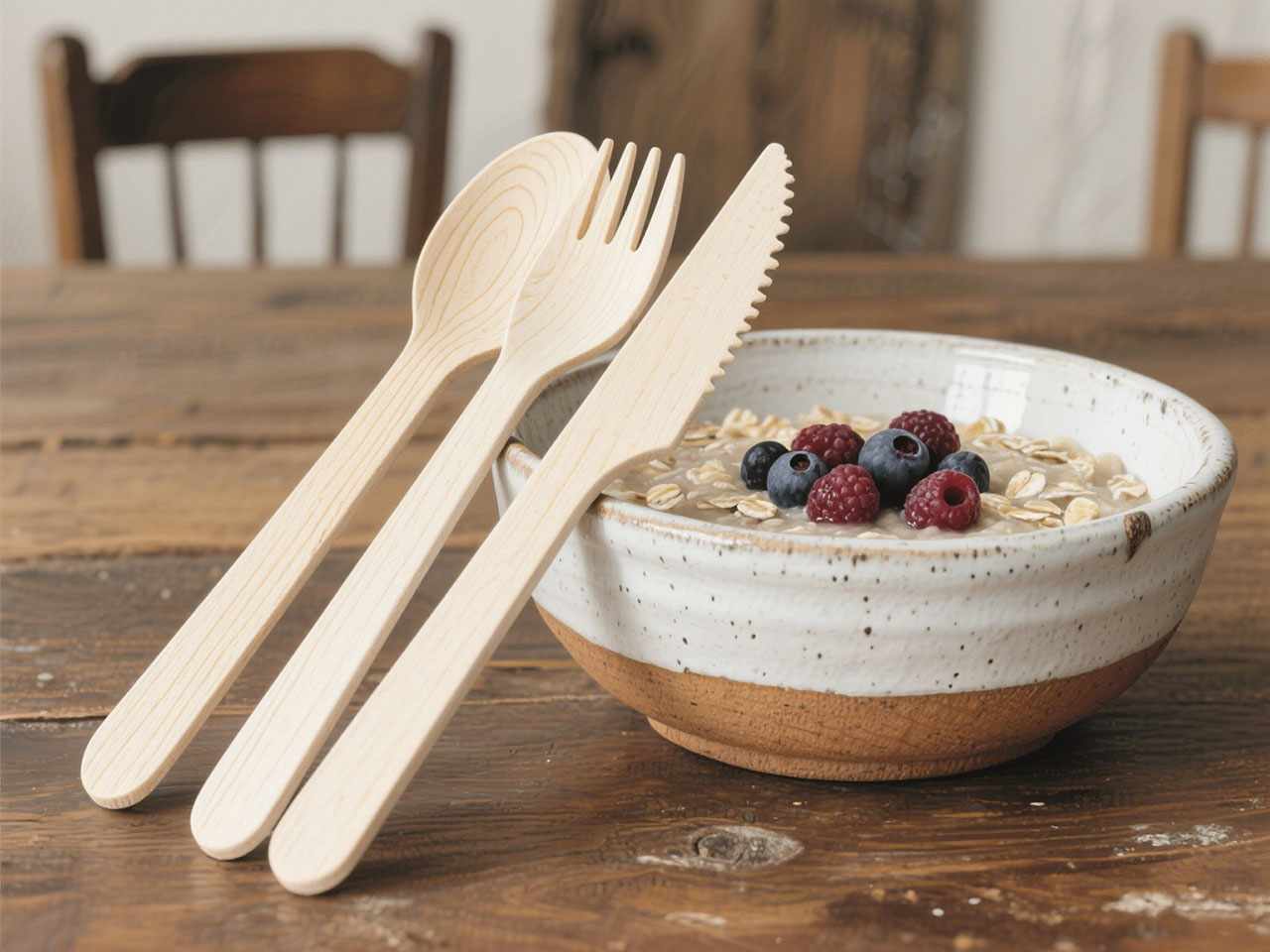
Three fundamental shifts explain why sustainability became non-negotiable in food service operations worldwide.
Why Are More Restaurants Switching to Sustainable Disposable Cutlery?
McDonald's recent €1.2B investment in biodegradable packaging proves sustainability isn't just ethics - it's economics. Here's what's driving adoption.
Conversion drivers:
- Consumer demand: 68% pay 12-15% premium for green packaging
- Regulatory pressure: Plastic bans expanding globally
- Operational savings: Reduced waste disposal costs
- Brand differentiation: Sustainability attracts younger demographics
Cost-Benefit Analysis: Traditional vs Eco Cutlery
| Factor | Plastic | Bamboo | Savings/Benefit |
|---|
| Unit Cost | $0.015 | $0.029 | Higher upfront |
| Waste Fees | $120/ton | $40/ton | 67% reduction |
| Customer Spend | $18/visit | $20/visit | +11% lift |
| Compliance Risk | High | None | Avoids fines |
| Marketing Value | Low | High | Free PR |
Bamboo, Bagasse, or PLA: Which Eco-Material Is Best for Disposable Tableware?
Not all "eco-friendly" materials perform equally - this performance matrix reveals the ideal applications for each sustainable option.
Material selection guide:
- ✓Bamboo: Best for cutlery (heat resistance)
- ✓Bagasse: Ideal plates/bowls (oil resistance)
- ✓PLA: Clear cup lids (transparency)
- ✓Palm Leaf: Premium presentation

Material Technical Specifications:
| Property | Bamboo | Bagasse | PLA | Optimal Use Case |
|---|
| Heat Tolerance | 100°C | 85°C | 60°C | Hot foods |
| Biodeg. Time | 4-6mo | 2-3mo | Industrial only | Disposal method |
| Carbon Footprint | 0.8kg CO2/kg | 1.2kg CO2/kg | 2.1kg CO2/kg | Emissions goals |
| Water Usage | Low | Moderate | High | Water-scarce regions |
| Cost Premium | 30% | 20% | 50% | Budget constraints |
What Certifications Should Importers Look For?
With "greenwashing" affecting 42% of eco-claims, these verifications separate genuine sustainability from marketing hype.
Must-have certifications:
✔ FSC (bamboo sourcing)
✔ BPI/EN13432 (compostability)
✔ FDA 21 CFR (food safety)
✔ OK Compost HOME (home compostable)
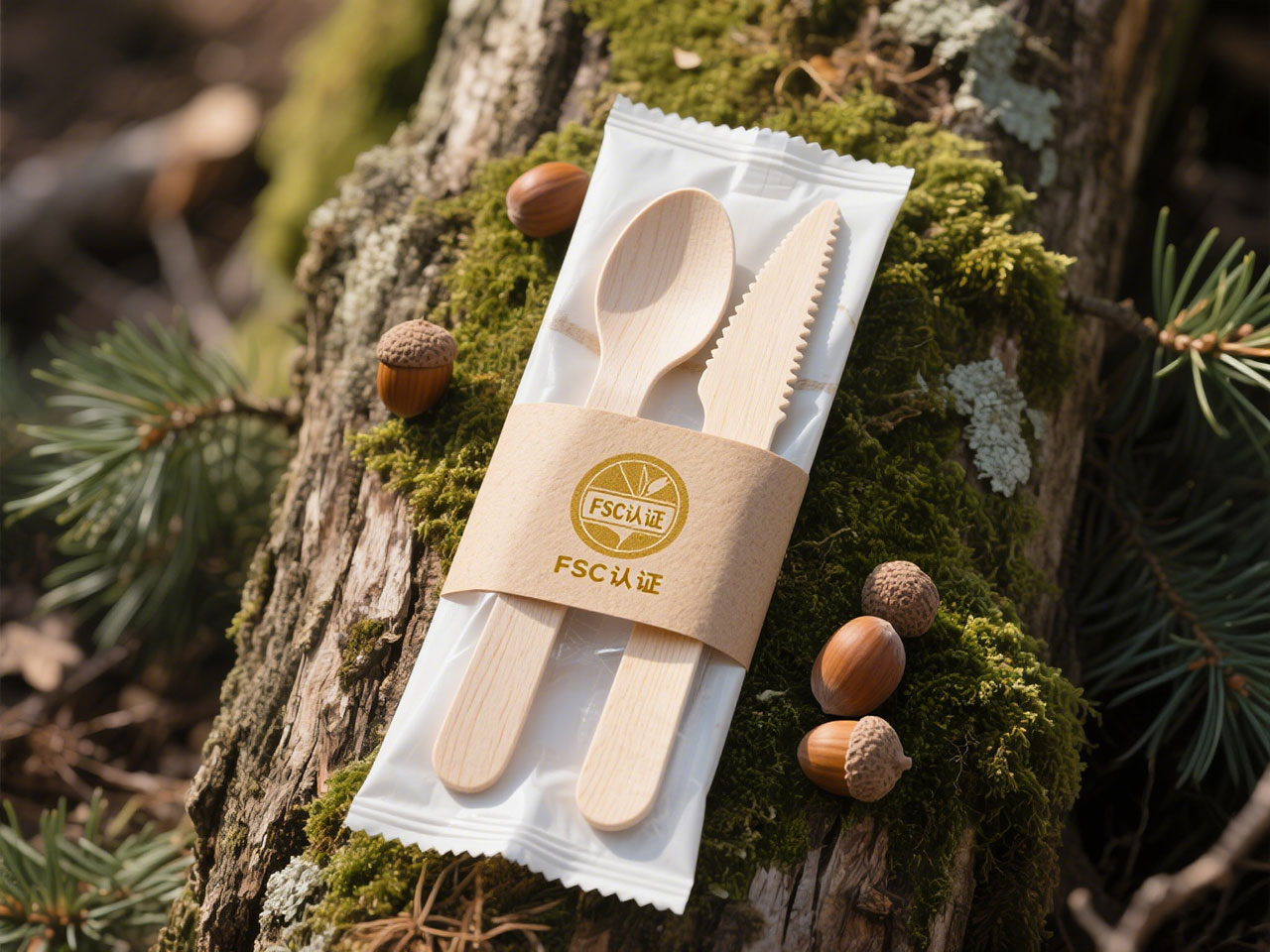
Certification Requirements Matrix:
| Standard | Testing Required | Validity Period | Geographic Recognition |
|---|
| FSC | Supply chain audit | 5 years | Global |
| BPI | 90-day disintegration | 3 years | North America |
| DIN CERTCO | Chemical analysis | Batch-specific | EU |
| Seedling Logo | Field testing | 2 years | 50+ countries |
| ASTM D6400 | Toxicity screening | Formula-specific | Scientific |
Conclusion
Sustainability has evolved from niche to necessity - restaurants and suppliers ignoring this shift risk becoming obsolete as regulations tighten and consumer preferences solidify.
This article was published on December 22, 2025, and last updated on March 2, 2026. The article will be continuously updated.



.webp)
.webp)
.webp)
.webp)
.webp)
.webp)
.webp)
.webp)